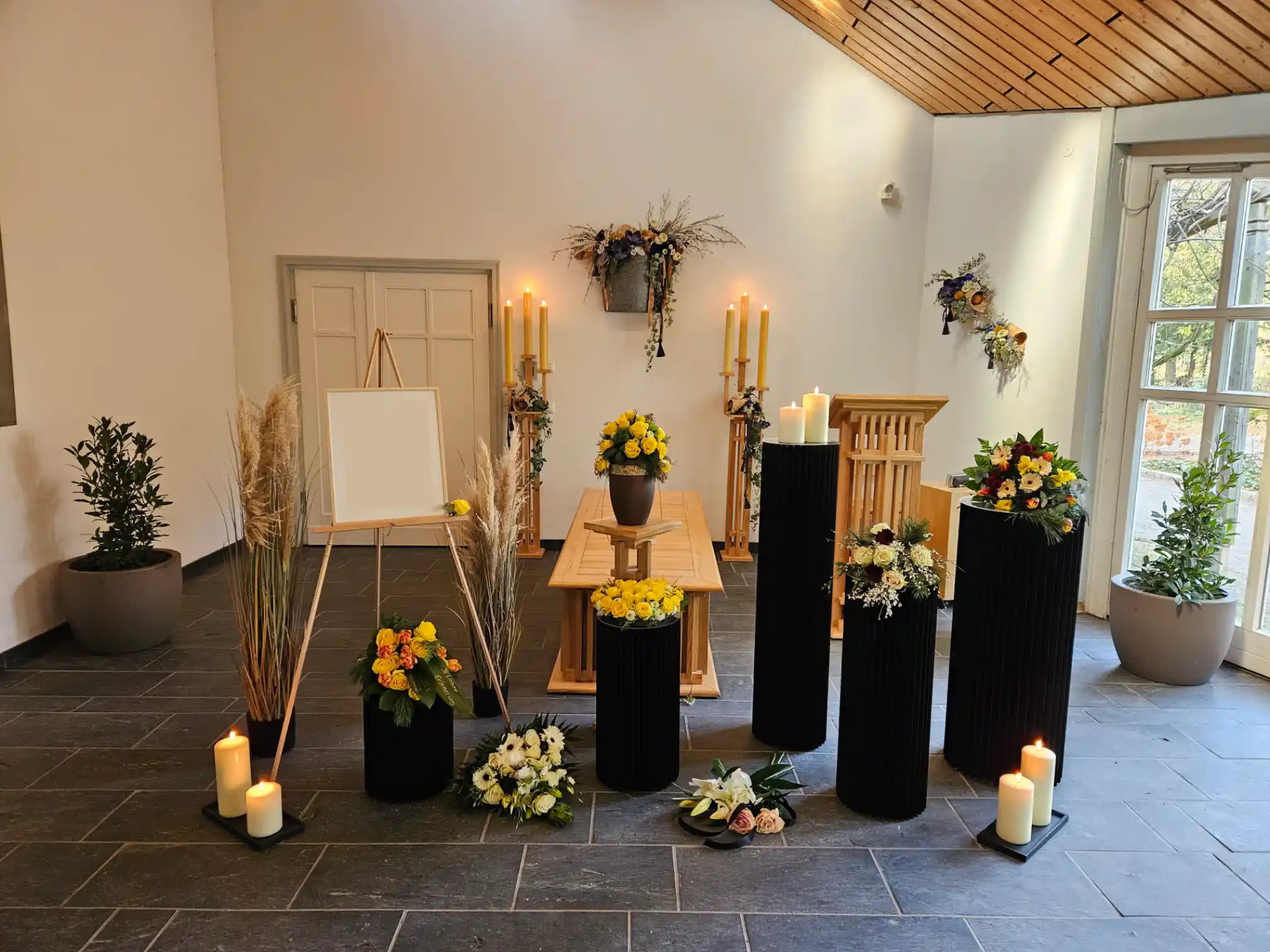
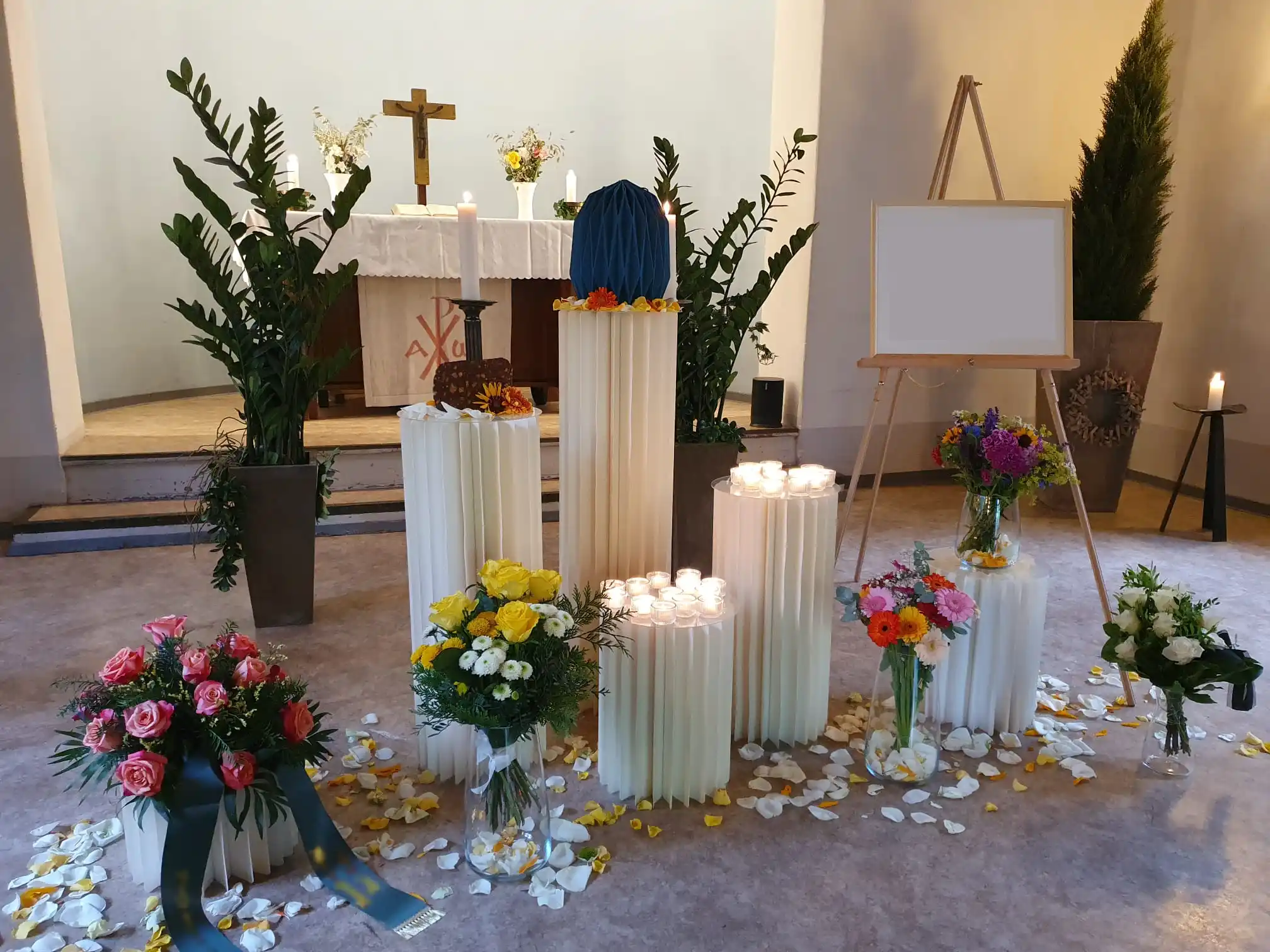
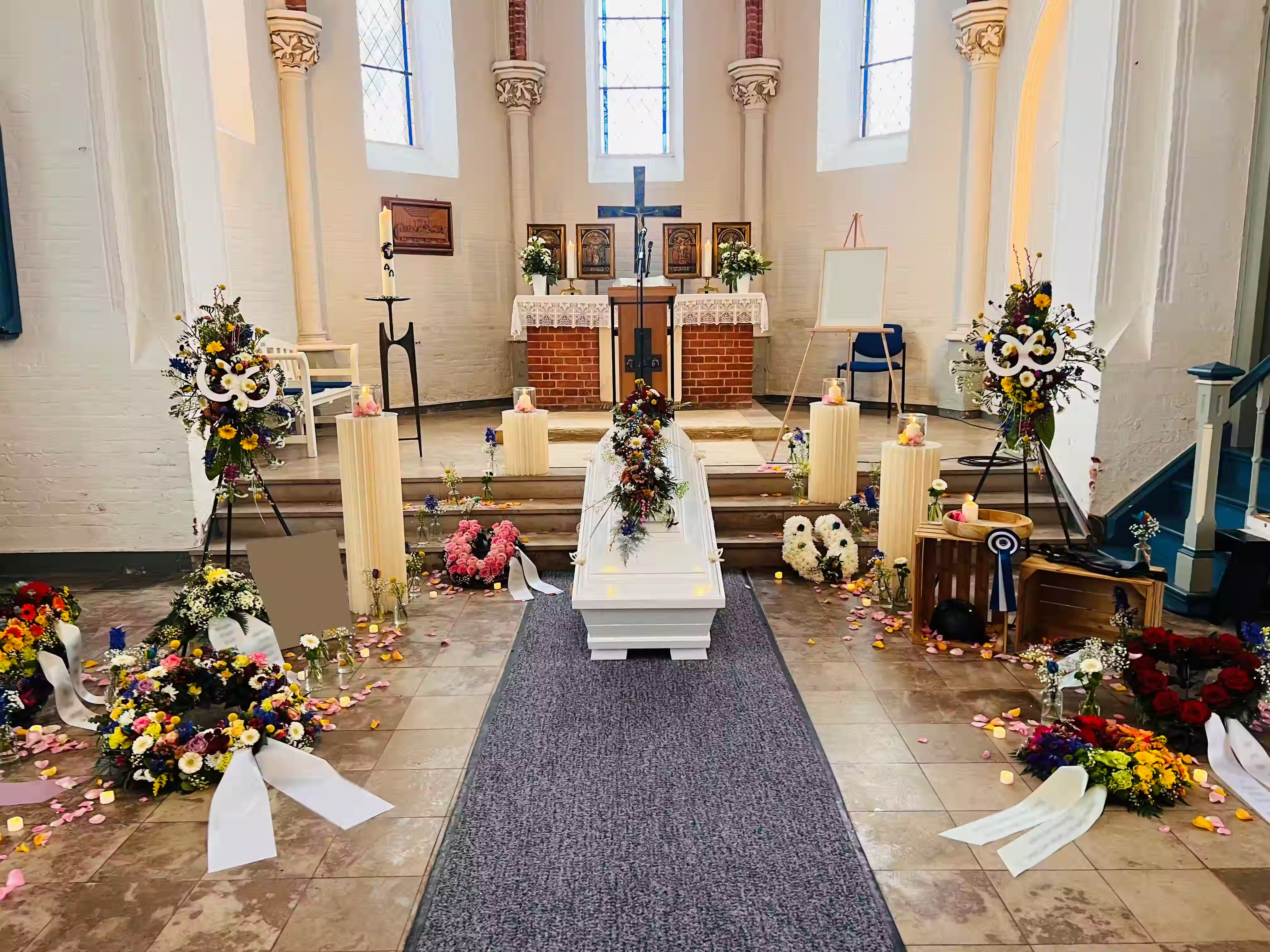
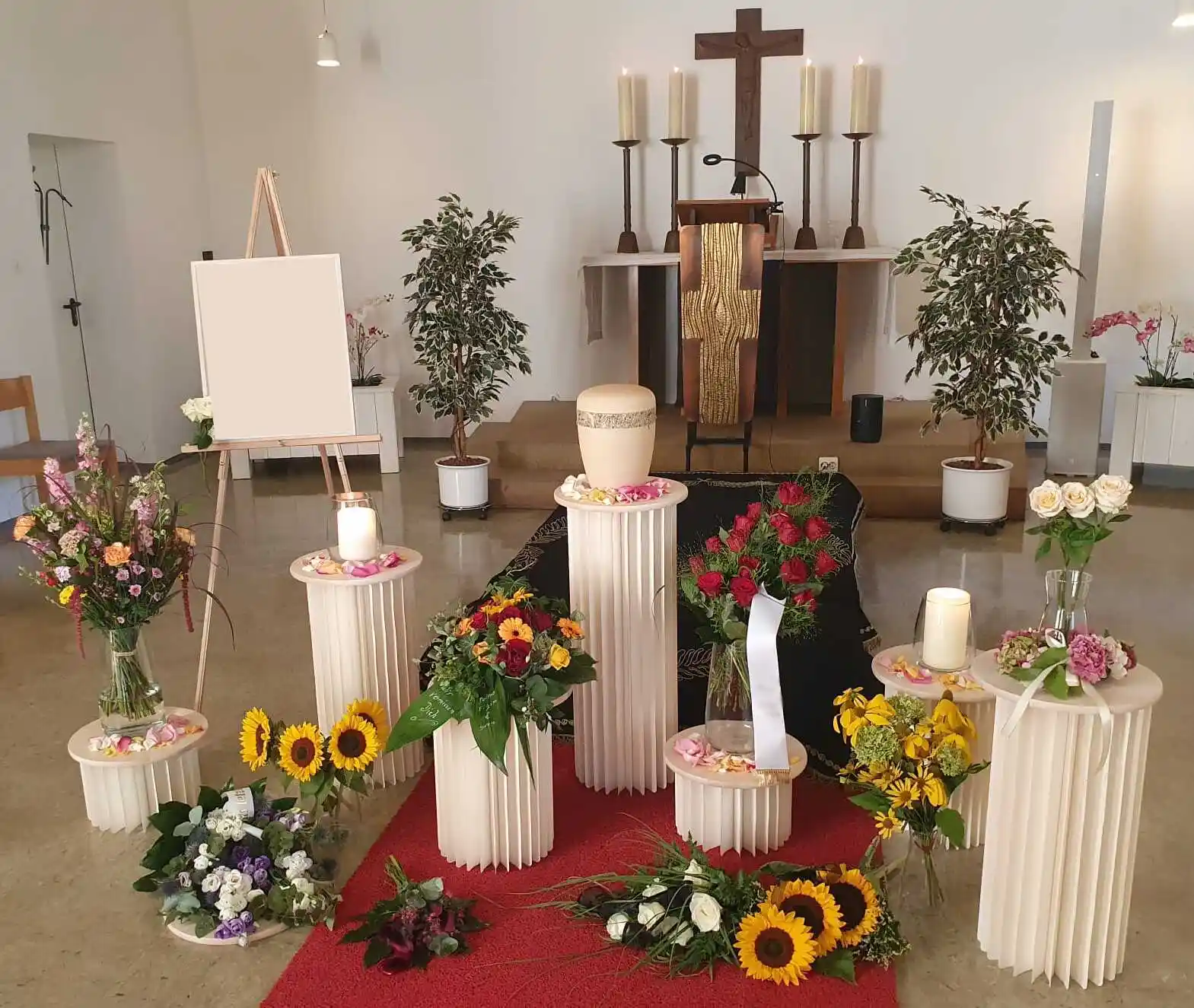
The Ohlsdorf Cemetery located in the Ohlsdorf district of Hamburg-Nord, is the most famous and largest cemetery in the Hanseatic city, and as the world's largest park cemetery, it holds significance far beyond Hamburg. Spanning approximately 389 hectares, it features a park-like landscape with mature trees, ponds, and winding paths, offering a peaceful and dignified setting for farewells and remembrance. Numerous chapels are available for funeral services of various sizes, and burials are conducted in almost all common forms, from traditional earth and urn graves to themed and communal burial sites. The cemetery is open every day of the year; access times vary seasonally, typically with longer opening hours in the summer months from April to October and shorter hours in the winter months from November to March. The main entrance on Fuhlsbüttler Straße is easily accessible via the Ohlsdorf S-Bahn station, making visits easier even for mourners from outside the city.
The Öjendorf Cemetery is located in eastern Hamburg, in the Hamburg-Mitte district, and is the city's second-largest burial ground after Ohlsdorf. With its expansive, natural park-like design and proximity to Lake Öjendorf, it offers a peaceful setting for funeral services and individual grave care. A variety of grave and burial forms are available on the grounds, including natural burial areas, making the cemetery suitable for both traditional and more contemporary farewell wishes. The cemetery is open daily, with access times adjusted seasonally, being longer in the summer months than in the darker time of year. For relatives from surrounding districts such as Billstedt, Horn, or Rahlstedt, Öjendorf is often a convenient choice due to its accessible location in the eastern part of the city.
The Altona Main Cemetery is located in the Altona district, in close proximity to the Volkspark, and was established as a park cemetery in the 1920s. With its mature trees, expansive lawns, and tranquil paths, it serves as an important burial ground for western Hamburg and is chosen by many families from Altona, Bahrenfeld, and neighboring districts as a local place for farewells. Various types of graves are available on the grounds, including tree burials, memorial gardens, and special communal plots. The cemetery grounds are accessible year-round, with exact access times varying by season, generally being longer in summer than in winter. Its character as a park-like, green space makes Altona Main Cemetery a place that offers relatives moments of quiet reflection and contemplation alongside their grief.
The New Harburg Cemetery is located in the Hamburg-Harburg district and, at approximately 32 hectares, is the largest contiguous church cemetery in Northern Germany. It was established on a former woodland plot, which is still reflected today in its characteristic tree population and tranquil, natural atmosphere, despite its convenient location within the city. Relatives can choose from a variety of burial forms here, including urn interments in an indoor columbarium, which is a rarity in Hamburg. A chapel is available for funeral services, allowing for a dignified farewell in close proximity to the final resting place. Access times follow the seasonal rhythm, with longer opening hours in the summer half-year and shorter hours in the winter months, making the cemetery an important point of contact for the population in southern Hamburg.
The Nienstedten Cemetery is located in the Nienstedten district of Altona, nestled between Elbchaussee and Rupertistraße, and is one of the oldest continuously operating cemeteries in the Hamburg urban area. As a historically developed village cemetery of the Elbe suburbs, it is closely linked to the history of the surrounding communities and is still chosen by many long-established families as their final resting place. Various burial forms are accommodated on the tranquil, park-like grounds with mature trees, and the historic cemetery chapel is available for funeral services in a smaller, more personal setting. The cemetery is accessible year-round, with specific opening hours subject to seasonal variations, as is common in most Hamburg cemeteries. For relatives from the western Elbe suburbs such as Othmarschen, Blankenese, or Groß Flottbek, Nienstedten is a convenient and historically rich choice.